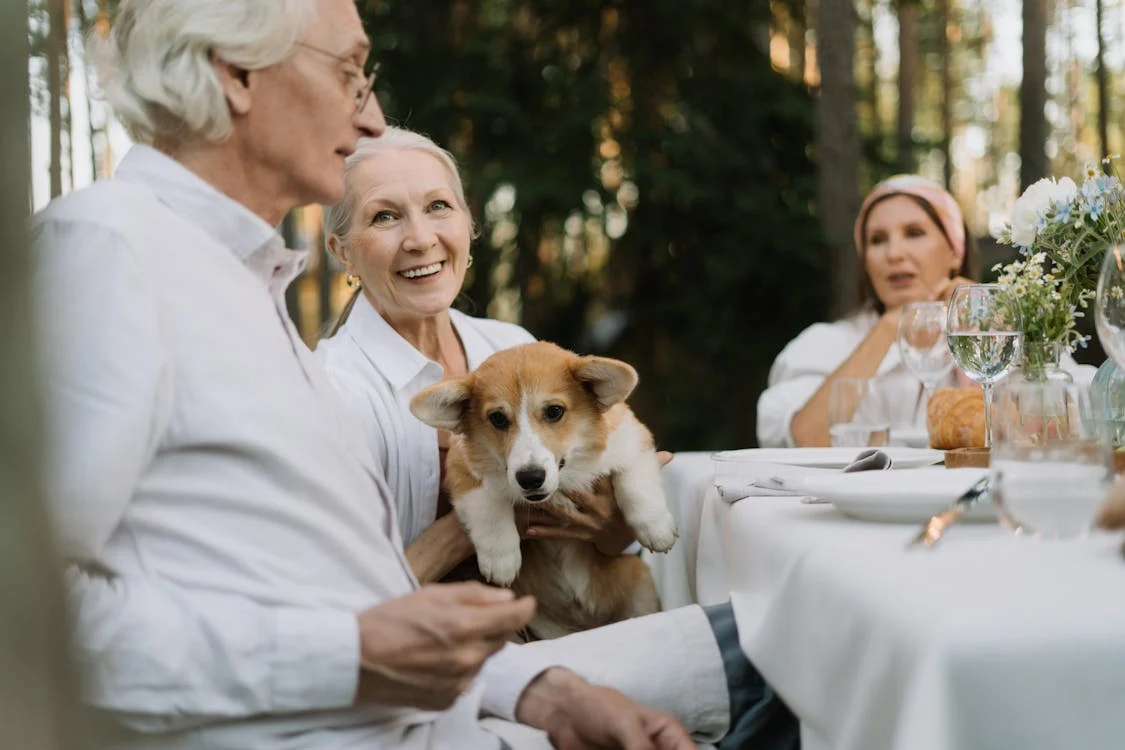
Image via Pexels
Pet Care Advice for Seniors: Adopting a Pet in Your Golden Years
Pets bring joy, companionship, and numerous health benefits to seniors as they navigate their golden years. However, it’s essential to recognize that caring for a pet can be challenging, particularly for those who are new to pet ownership. Proper education and preparation can help seniors provide the best care for their furry friends and ensure a positive experience for both pet and owner. Here are some pet care tips for seniors looking to adopt a furry friend, courtesy of Garden Patio Villas.
Choose the Right Pet
It’s essential to choose the right pet for your lifestyle. Consider factors such as size, energy level, and temperament when selecting a pet. For seniors who enjoy a slower pace of life, a cat or a small dog may be an excellent choice. A more energetic senior may prefer a larger dog or a pet that requires regular walks.
Plan for Pet in Senior Care
As you plan for the future, it’s a good idea to explore pet-friendly assisted living options, even if you don’t need them now. Knowing that you and your furry companion could stay together can bring peace of mind and help you feel prepared for any eventual transition. Take some time to research facilities that welcome pets, so when the time comes, you’ll know which ones align with your needs and lifestyle. By looking into these options early, you’ll ensure you can make an informed decision when the need arises, maintaining a sense of comfort and continuity for both you and your pet.
Adopting a Senior Pet
Adopting a senior pet can be a wonderful option for seniors. Senior pets often require less exercise than younger pets, making them ideal for those with mobility limitations. Additionally, senior pets may have already been trained and are accustomed to living in a home environment, making it easier to integrate them into your daily routine.
Regular Vet Visits
Regular vet visits are crucial to maintaining the health of your pet. Seniors should schedule visits at least once a year or more frequently if their pet has any ongoing health issues. Regular check-ups allow vets to identify potential health concerns early on, which can prevent more serious problems down the line. Purchasing pet insurance can provide peace of mind and financial protection in case of unexpected veterinary expenses.
Preventative Care
Investing in preventative care is one of the best things seniors can do to keep their pets healthy. Regular vaccinations and heartworm prevention can help your pet avoid costly medical bills and maintain its overall health and well-being. Seniors should discuss their pet’s preventative care needs with their vet to establish a plan that meets their pet’s specific health requirements.
Grooming
Grooming is a crucial aspect of pet care that can help maintain your pet’s hygiene and overall health. Regular grooming appointments, including nail trimming, bathing, and brushing, can ensure your pet’s well-being. Seniors who have difficulty grooming their pets on their own should consider hiring a professional pet groomer to assist them in keeping their furry friends healthy and happy.
Consistent Feeding Schedule
Maintaining a consistent feeding schedule is essential for your pet’s health. Seniors should establish a regular feeding schedule and stick to it, avoiding giving their pets table scraps or overfeeding them. Older pets may require a specialized diet, so seniors should consult with their vet to ensure they are providing their pets with the proper nutrition.
Proper Training
Ensuring your dog receives proper training is essential if you want to be a responsible pet owner and a good neighbor. By teaching your dog positive behaviors, such as sitting, staying, and walking calmly, you help create a more enjoyable environment for everyone around you. It’s also important to address negative behaviors, like excessive barking or jumping, using corrective techniques that are both effective and fair. With a balanced approach to training, your dog will be well-behaved, making life easier for you and fostering positive relationships with those in your community.
Adopting a pet can have numerous benefits for seniors, including joy, companionship, and improved physical and mental health. By selecting the right pet for their lifestyle, finding a pet-friendly rental, considering the adoption of a senior pet, starting a pet-sitting business, and investing in preventative care and regular grooming, seniors can provide their furry friends with the best possible care and enjoy a fulfilling relationship with their pets.
Learn more about our 55+ HOA community in Margate, FL by visiting Garden Patio Villas online today!
South Florida is a unique and vibrant region that offers both opportunities and challenges for pet owners, especially those with dogs and cats. With its tropical climate, year-round warmth, and access to outdoor activities, South Florida can be an ideal place to raise pets—but there are also a few important considerations to keep in mind.
The weather is one of the most defining aspects of life in South Florida. Unlike the colder regions of the United States, South Florida enjoys mild winters and hot, humid summers. This consistent warmth means that dogs and cats can enjoy more time outdoors throughout the year. Daily walks, beach outings, and park visits aren’t limited to just a few months like they might be in colder states. Many pets thrive in this environment, especially those that enjoy sunbathing or playing in the yard.
For dog owners, South Florida offers an abundance of dog-friendly parks, trails, and even restaurants with pet-friendly patios. Some cities even have designated dog beaches, allowing dogs to swim and run freely along the shoreline. Cats, especially those who live indoors with access to screened patios or enclosed outdoor spaces, also benefit from the sunshine and warmth without the restrictions of snow and freezing temperatures.
That said, there are a few important challenges to be aware of when owning a pet in South Florida. The summer heat can be intense, with temperatures regularly reaching into the 90s (°F) and high humidity levels. Dogs, especially those with thick coats or short snouts (like bulldogs and pugs), can be vulnerable to heat exhaustion or heatstroke if not properly monitored. It’s essential for pet owners to avoid walking dogs during the hottest parts of the day, always provide access to fresh water, and never leave pets in parked cars.
Fleas, ticks, and mosquitoes are also more prevalent in South Florida due to the warm, moist climate. These pests can carry diseases that affect both dogs and cats, so regular preventative care, including flea and heartworm medications, is a must. Local veterinarians are familiar with these risks and can recommend a year-round treatment plan.
Another consideration is wildlife. South Florida is home to a range of creatures like snakes, raccoons, iguanas, and even alligators in some areas. While these encounters are not an everyday issue, pet owners should stay vigilant—especially when walking dogs near canals, lakes, or heavily wooded areas.
Despite these challenges, the benefits of having a pet in South Florida are numerous. The social atmosphere, pet-friendly businesses, and the ability to maintain an active, outdoor lifestyle year-round create a wonderful environment for both pets and their people. Many communities host pet adoption events, dog festivals, and pet markets, helping to make pets a central part of daily life in the region.
In summary, South Florida’s warm weather and outdoor culture can be a great match for dogs and cats when proper precautions are taken. With thoughtful care and planning, pets in South Florida can live healthy, happy, and active lives in one of the most pet-friendly regions in the country.